

When it comes to mine equipment, durability, safety, and efficiency are of paramount importance. One material that has been gaining significant attention in the mining industry is polyurea. As a leading supplier of Polyurea For Mine Equipments, I've witnessed firsthand how this remarkable material can revolutionize the performance of mining machinery. In this blog post, I'll delve into the sound - insulation properties of polyurea for mine equipment and explore its benefits in the mining environment.
Understanding the Noise Problem in Mining
Mining operations are inherently noisy. The constant rumble of heavy machinery, the clattering of conveyor belts, and the blasting in mines create a high - decibel environment. Prolonged exposure to such noise can have severe consequences for the miners' health, including hearing loss, stress, and reduced productivity. Moreover, excessive noise can also cause disturbances in the surrounding communities. Therefore, finding effective ways to reduce noise in mining operations is crucial.
What is Polyurea?
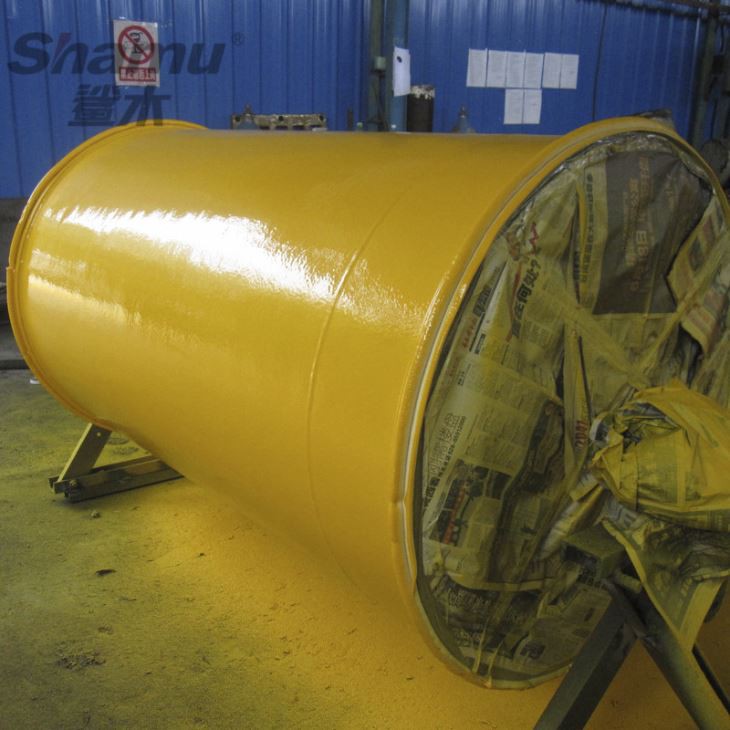
Polyurea is a type of elastomer that is formed by the reaction of an isocyanate component and a resin blend component. It is known for its high - performance characteristics, such as excellent abrasion resistance, chemical resistance, and flexibility. In the context of mine equipment, polyurea can be used for a variety of applications, including Mine Conveyor Belt to Repair Large Area Polyurea Material, Mine Belt Repair Polyurea Material, and Equipment Lining Polyurea.
Sound - Insulation Mechanisms of Polyurea
The sound - insulation properties of polyurea stem from its unique molecular structure and physical properties. When sound waves encounter a polyurea coating or lining, several mechanisms come into play to reduce the transmission of sound.
Vibration Damping
Polyurea has excellent vibration - damping capabilities. When equipment vibrates, which is a common source of noise in mining operations, the polyurea layer can absorb the vibrational energy. As the rubbery nature of polyurea allows it to deform under stress, the mechanical energy of vibration is converted into heat energy through internal friction. This reduces the amplitude of the vibration, thereby decreasing the generation of sound waves.
Absorption of Sound Waves
Polyurea is also effective at absorbing sound waves. The porous and viscoelastic nature of polyurea helps in trapping sound waves within its structure. As the sound waves travel through the polyurea, they cause the molecules in the material to move and interact. This interaction leads to the dissipation of the sound wave energy as heat, reducing the amount of sound that is transmitted through the equipment.
Barrier Effect
In addition to absorption, polyurea can act as a physical barrier to sound. When applied as a coating or lining on mine equipment, it can prevent sound waves from passing through easily. The dense and continuous nature of the polyurea layer reflects and refracts the sound waves, reducing the amount of sound that reaches the external environment.
Benefits of Polyurea Sound Insulation in Mine Equipment
The use of polyurea for sound insulation in mine equipment offers several notable benefits:
Improved Working Conditions
By reducing the noise levels in the mining environment, polyurea helps to create a safer and more comfortable workplace for miners. Miners are less likely to suffer from noise - related health problems, and their overall well - being and job satisfaction can be improved.
Enhanced Equipment Performance
Excessive vibration can cause wear and tear on mine equipment, leading to mechanical failures and downtime. Since polyurea can dampen vibrations, it helps to protect the equipment from damage, extending its service life and reducing maintenance costs.

Environmental Friendliness
Reducing noise pollution in mining operations is not only beneficial for the miners but also for the surrounding environment. By using polyurea for sound insulation, mining companies can minimize their impact on nearby communities and wildlife.
Case Studies of Polyurea Sound Insulation in Mines
Let's take a look at some real - world examples of how polyurea has been used for sound insulation in mine equipment.
In a large - scale coal mine, a conveyor belt system was experiencing high - noise levels due to the friction between the belt and the rollers. The mine management decided to apply a polyurea coating to the conveyor belt using Mine Conveyor Belt to Repair Large Area Polyurea Material. After the application, the noise levels were significantly reduced, and the miners reported a more comfortable working environment. Additionally, the polyurea coating also improved the abrasion resistance of the conveyor belt, reducing the frequency of belt replacements.
Another case involves a mine with noisy crushers. The crushers were causing a lot of noise pollution in the area. By lining the crusher chambers with Equipment Lining Polyurea, the sound levels were decreased by a considerable margin. The polyurea lining not only reduced noise but also protected the crusher chambers from wear and corrosion.
Application Considerations
When using polyurea for sound insulation in mine equipment, there are several factors to consider.
Thickness of the Coating
The thickness of the polyurea coating can affect its sound - insulation performance. Generally, a thicker coating will provide better sound insulation. However, it's important to balance the thickness with other factors such as the weight and flexibility requirements of the equipment.
Preparation of the Surface
Proper surface preparation is essential for the effective application of polyurea. The surface of the mine equipment must be clean, dry, and free of rust, oil, and other contaminants. Any unevenness or roughness on the surface should be smoothed out to ensure a uniform and effective coating.
Compatibility with the Equipment
The polyurea material must be compatible with the materials used in the mine equipment. This ensures that there is no chemical reaction between the polyurea and the equipment, which could lead to damage or reduced performance.
Conclusion
In conclusion, polyurea offers excellent sound - insulation properties for mine equipment. Its ability to dampen vibrations, absorb sound waves, and act as a physical barrier makes it an ideal material for reducing noise in the mining environment. As a supplier of Polyurea For Mine Equipments, I am confident that polyurea can not only improve the working conditions for miners but also enhance the performance and longevity of mine equipment.
If you are interested in learning more about how polyurea can benefit your mining operations or want to discuss potential procurement, please get in touch. Our team of experts is ready to provide you with detailed information and support to meet your specific needs.
References
- ASTM International. "Standard Practices for Testing Polyurea Coatings." ASTM D7488.
- Green, T. L. "The Application of Polyurea in Mining Equipment: A Review." Journal of Mining Engineering, 2018, Vol. 5, No. 2.
- Johnson, R. M. "Sound Insulation Materials in Industrial Environments." Industrial Acoustics Handbook, 2020, ed. by Smith, A. B.


