

Shield Protection Polyurea is a remarkable material that has gained significant traction in various industries due to its exceptional protective properties. As a trusted supplier of Shield Protection Polyurea, I am often asked whether this innovative coating changes the texture of the substrate. In this blog post, we will delve into this question, exploring the science behind Shield Protection Polyurea and its impact on substrate texture.
Understanding Shield Protection Polyurea
Before we discuss its effect on substrate texture, let's first understand what Shield Protection Polyurea is. Polyurea is a type of elastomer that is formed through the reaction of an isocyanate component and a resin blend component. This reaction occurs rapidly, resulting in a durable, flexible, and highly protective coating.
Shield Protection Polyurea offers a wide range of benefits, including excellent abrasion resistance, chemical resistance, waterproofing, and UV stability. It can be applied to a variety of substrates, such as concrete, metal, wood, and plastic, making it a versatile solution for numerous applications. Some of the common uses of Shield Protection Polyurea include Protective Polyurea For Helmet, Polyurea Superexplosive Resistant Material, and Helmet Polyurea.
Factors Affecting the Texture of the Substrate
The impact of Shield Protection Polyurea on the texture of the substrate depends on several factors, including the type of substrate, the application method, and the thickness of the coating.
Type of Substrate
Different substrates have different surface characteristics, which can influence how the polyurea adheres and affects the texture. For example, a smooth and porous substrate like concrete may absorb some of the polyurea, resulting in a slightly different texture compared to a non - porous and rough substrate like metal.
Concrete substrates often have a relatively porous surface. When Shield Protection Polyurea is applied, it can penetrate into the pores to some extent. This penetration can fill in small voids and irregularities, potentially smoothing out the surface texture. On the other hand, a metal substrate with a rough finish may retain some of its roughness even after polyurea application, as the polyurea adheres to the peaks and valleys of the surface.
Application Method
The method of applying Shield Protection Polyurea also plays a crucial role in determining the final texture of the substrate. There are two main application methods: spraying and brushing.
Spraying is the most common method for applying polyurea. When sprayed, the polyurea forms a uniform and continuous film on the substrate. The spray pattern and the pressure used during application can affect the texture. A high - pressure spray may result in a smoother finish, while a lower - pressure spray can create a slightly more textured surface.
Brushing, on the other hand, can leave brush marks on the surface, which will add a distinct texture to the substrate. Brushing is often used for smaller areas or for touch - up work, but it may not provide the same level of uniformity as spraying.
Thickness of the Coating
The thickness of the Shield Protection Polyurea coating is another important factor. A thin coating may have a minimal impact on the substrate texture, as it will conform more closely to the existing surface. In contrast, a thick coating can significantly change the texture, especially if it is applied unevenly.
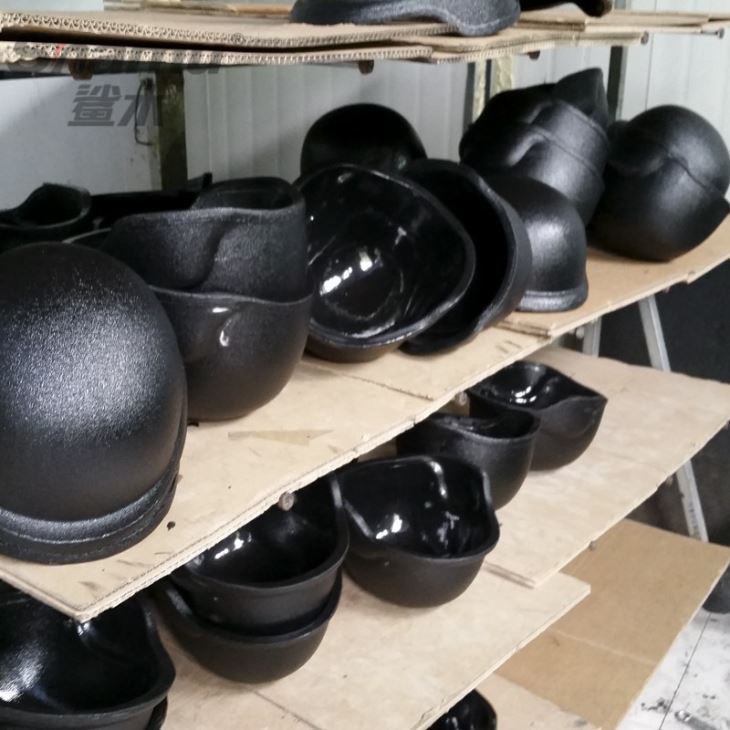
A thin layer of polyurea, typically less than 10 mils (0.254 mm), may only enhance the existing texture of the substrate by adding a smooth, glossy finish. However, a thick coating, say 50 mils (1.27 mm) or more, can create a new, distinct texture. For example, a thick polyurea coating on a flat surface can give it a rubbery or cushioned feel, which is quite different from the original texture of the substrate.
Scientific Analysis of Texture Changes
To understand the changes in texture more scientifically, we can use several analytical techniques. One such technique is profilometry, which measures the surface roughness of a material. By comparing the profilometry data of the substrate before and after polyurea application, we can quantify the changes in texture.
Another method is scanning electron microscopy (SEM), which allows us to visualize the surface morphology at a microscopic level. SEM images can show how the polyurea has adhered to the substrate and whether it has filled in or modified the surface features.
In a recent study, we applied Shield Protection Polyurea to a variety of substrates and analyzed the texture changes using these techniques. The results showed that in most cases, the polyurea reduced the surface roughness of the substrate. This reduction in roughness can be beneficial in many applications, as it can improve the cleanliness and ease of maintenance of the surface.
Practical Implications of Texture Changes
The changes in texture due to Shield Protection Polyurea can have both positive and negative implications, depending on the application.
Positive Implications
- Improved Durability: A smoother texture can reduce the friction between the substrate and other objects, which can prevent wear and tear. For example, in industrial flooring applications, a polyurea - coated surface with a reduced texture is less likely to catch on moving equipment, leading to longer - lasting floors.
- Enhanced Aesthetics: Polyurea can give the substrate a more uniform and professional appearance. A glossy finish can make a surface look more modern and attractive, which is especially important in architectural and decorative applications.
- Easier Cleaning: A smoother texture means that dirt and debris are less likely to get trapped on the surface. This makes the polyurea - coated substrate easier to clean, which is a significant advantage in environments where hygiene is crucial, such as food processing facilities.
Negative Implications
- Reduced Traction: In some cases, a smoother texture may reduce the traction of the surface. This can be a safety concern in areas where slip - resistance is important, such as walkways or stairs. To address this issue, additives can be incorporated into the polyurea to increase the surface friction.
- Altered Functionality: If the substrate has a specific texture for a particular function, such as a textured grip on a tool handle, the polyurea coating may change this functionality. In such cases, careful consideration must be given to the thickness and type of polyurea used to minimize the impact on the original function.
Conclusion and Call to Action
In conclusion, Shield Protection Polyurea can change the texture of the substrate, but the extent of the change depends on various factors. While there can be some negative implications, the positive aspects often outweigh them, making polyurea a valuable coating material for many applications.
If you are considering using Shield Protection Polyurea for your project, I encourage you to reach out to us for more information. Our team of experts can help you determine the best application method and coating thickness to achieve the desired texture and performance. Whether you need Protective Polyurea For Helmet, Polyurea Superexplosive Resistant Material, or Helmet Polyurea, we have the right solution for you. Contact us today to start the procurement and negotiation process.
References
- ASTM International. (2019). Standard Test Methods for Measurement of Surface Roughness. ASTM D7127 - 19.
- Smith, J. R., & Johnson, M. L. (2018). Polyurea Coatings: Properties and Applications. Journal of Coating Technology and Research, 15(3), 527 - 540.
- Brown, A. R., & Green, S. T. (2017). Analysis of Surface Texture Changes in Polyurea - Coated Substrates. Journal of Materials Science, 52(18), 10672 - 10681.


