


Polyurea Equipment for Spraying
What Is Polyurea Equipment for Spraying
Spraying polyurea is a technology. spray equipment for polyurea materials is designed for very low, low to medium, and high output applications. Spraying equipment is a key part of the application process of polyurea. Good equipment can give full play to the performance of polyurea.
Why Choose Us?
Quality products: We provided competent raw material preparation, chemical formulate, polyurea product supplier, industry solution, training, consulting, technical service, testing, supervision and quality control.
Rich experience: We have years of industry experience and a team of experienced engineers and technicians to ensure consistent precision and high quality of our products.
Reliable service: Our team is committed to providing reliable and consistent service, ensuring that you receive high-quality products and customer support from us every time.
Professional team: We maintain a full staff of technical engineers with complete specification and quality assurance capabilities in each application field.
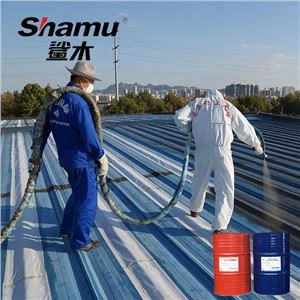


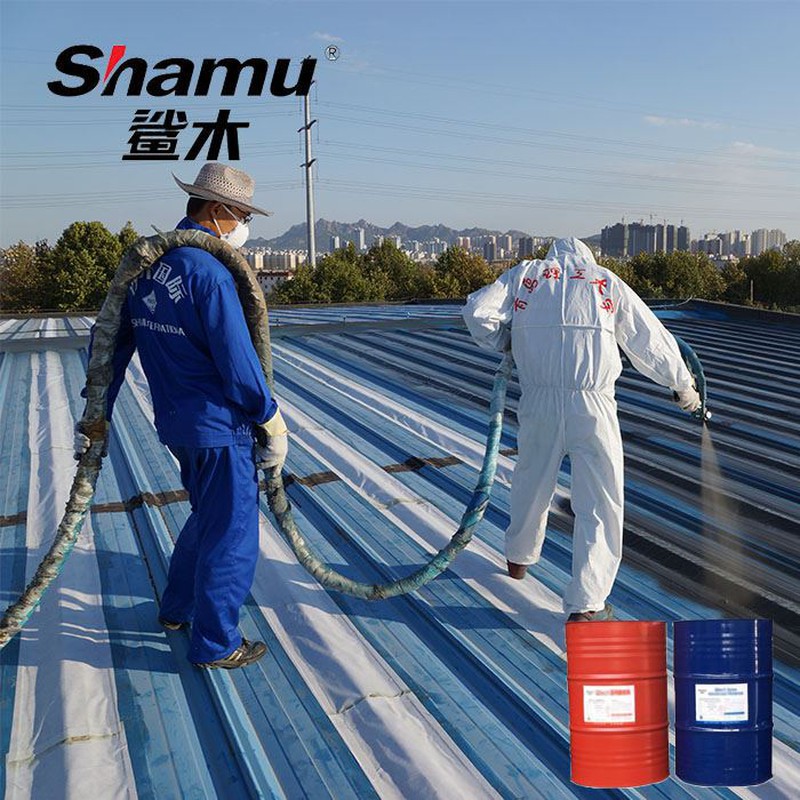
Not only is the polyurea solution waterproof, but it's resistant to outside elements. You're thinking you can apply the coating yourself even though you've never worked with these types of chemicals before.
But as you start applying the spray foam, you realize that something is wrong. The polyurea coating is not coming out evenly, and the coating doesn't seem to be sticking very well to the surface.
This can happen quite often, especially if you've never used this spray foam before. That's why we have technicians on staff available at all times to help our customers get the right coating the first time around.
In order to help you get a consistent and effective coating on your first attempt, follow these tips:
● Preparation is key: This is the biggest reason why the customer-applied coatings fail. If you don't prepare the surface properly, then the coating isn't going to stick very well. Before you even prepare your equipment, take a look at the surface you're about to spray. Make sure it's clean of any oils, acids, salts, and other elements that could impact the coating. With a clean and level surface, you should have no problem applying your coating.
● Repair the damage: Before applying the solution, you should check to make sure that there are no cracks. If so, fill in any cracks and make sure the concrete surface isn't damaged in any way. You should consider replacing any caulking sealants as well.
● Read the instructions: You may think this is an obvious tip, but following the instructions will lead to (almost) no chance of a bad coating. If the instructions are too confusing, we urge you to give our support staff a call. You need to make sure you understand the process before applying a polyurea coating. You may also want to check your equipment and materials to make sure everything is ready for the task ahead.
● Prepare the area: You will need to install a primer on the surface. Next, bag off and mask the area to protect against any overspray, which includes any fixtures. You may want to use wire tape to get a clean-trimmed edge.
● Spray slowly and smoothly: A few things can occur when you're spraying, such as over-spraying or issues with the spraying-off ratio. You want to be aware of your surroundings when applying spray foam. For instance, on a windy day, you're going to want to spray against the wind. Make sure you're wearing the proper protective equipment when spraying into the wind because the applicator will be heavily exposed to over-spray. You should also check if the solution is mixed correctly before starting to apply the solution.
The Difference Between a Polyurea Spray Machine and a Spray Foam Machine
Choosing the right equipment is vital to a business that operates in spraying material for insulation and coating projects. The ability to perform a job effectively often hinges on the equipment or tool it is performed with, so it is important to understand the different types of spray machinery in order to adequately perform a job.
Coating equipment and spray machines are not equal in their ability to operate with certain materials, as they necessitate varying pressure to apply. Most high-pressure rated equipment could be interchangeable regardless of whether it is used for spraying polyurea or foam, but lower pressure machines are commonly only used for spray foam. The proper material distribution for coatings needs to be at or above 1850 – 3500 psi, while foam application is able to be performed by machines in the ranges of 800 to 2000 psi. The caveat here is that lower pressure machines are suitable for spray foam only under the condition of not using long hoses, as those require higher pressure to effectively distribute the material.
● Pneumatic and Air-Driven Machines
Air-driven or pneumatic equipment has been in use for over 60 years, though the technology has come a long way in terms of its overall effectiveness. The technology behind these types of machines is based on a basic two-component combination: two pumps operated by an air motor operating within a particular pressure ratio. The PSI rating of a machine correlates to how much material it can distribute in terms of fluid pressure. So if the pressure ratio is 25:1, the machine can deliver 25 PSI of fluid pressure for every pound of air pressure applied.
As long as the host is large enough in diameter to dispense the necessary material, pneumatic systems will distribute the application consistently. It is not a surprise then, that this technology has been around for decades and is highly reliable, but the clear drawback is that it does not permit the pressure to be adequately monitored, burdening the operator with the task of watching the foam for correct distribution and application.
● Hydraulic Machines
Introduced in the 1970s, hydraulic equipment uses hydraulic power to operate chemical proportioning pumps and is commonly used for the application of polyurea coatings and dual-component foam. Some of the systems even include a valve that allows the direction of the sprayer to change. The fast pump changeover is the machine's most appealing attribute, resulting in very minimal pressure loss when the direction changeover occurs.
As the chemicals used in spray foam need to mix before application, the hydraulic application allows for better monitoring methods to assure that the mixture of chemicals is consistent and proportional during application. If the system detects improper operation of bad mixing, it shuts down automatically to prevent bad product distribution, allowing the operator to address the issue rather than apply poor product.
Polyurea and foam chemicals require a heating point of anywhere between 100 and 180 degrees Fahrenheit. Primary heaters heat the chemicals to necessary temperatures, and heated hoses retain the temperature set point to guarantee that good quality foam is added via these higher-quality hydraulic systems.
When it comes to large-area applications, such as coating wide rooftops, using a hydraulic machine to spray foam has been found to be especially effective allowing for great heat performance and maximum output.
● Electric Machines
When high throughput is required for a coating or spray foam application job, electric spray systems offer a great performance value, making them ideal for contractors looking for polyurea equipment for sale.
Electric machines are advantageous in their ability to maintain a consistent pressure as the spray or coating applicator is activated, as well as maintaining appropriate stall pressure levels when the machine is on, but not operational.
Motor control tech assures that the two mixing pumps maintain the same amount of fluid pressure and that controls the motor's electrical current. The pumps and applicator orifices are similar in size so the two pump pressures must be close to the same for the proportioner to achieve a 1:1 chemical ratio. Modern equipment will immediately shut down if the pump pressures start to fall out of sync and lose balance, stopping the user from spraying bad foam or coating, with an error informing the user as to the cause of the shutdown.
The heating aspect of electric machines is also highly beneficial. In order to be viable, electric spray foam systems heat the chemicals to their necessary heating point with large primary heaters. While most contractors rely on hoses to maintain the heated temperature of the product as it is being sprayed, colder temperatures can cool down insulated hoses, causing them to need to be warmed up before actually actively having the retention ability. If the machines have been off for an extended period of time, by the time the hoses are at a point where they can retain the necessary heat temperatures, a significant amount of time would have been wasted.
Electric systems are not only reliable but with proper maintenance can have fantastic longevity. They are an investment, and their maintenance will incur additional costs, but it will be better than buying a brand new piece of equipment. Such systems have been known to last anywhere from 15 to 25 years.
Components of Polyurea Spraying Machines
● A and B Pumps: Polyurea spray machines, have a vertical or horizontal pump: One pump for the A component and one pump for the B component.
● Other commonalities are (when standing in front of all polyurea spray machines) the A component is always on the left side while the B is on the right. This arrangement also holds true for spray guns.
● Pressure Gauges: Polyurea machines have analog fluid pressure gauges. This allows the contractor to monitor the material flow for equal balance. Pressure gauges are also important for trouble-shooting the equipment.
● Over Pressure Sensors: Over pressure sensors are used in case of accidental over-pressurization of the proportioner. The sensors are pre-set, from the manufacturer in order to safeguard the proportioner from becoming over-pressurized.
● Over Temperature Sensors: Over temperature sensors are used in case of accidental over-heating from the set point of the controller.
● Y-Strainers: Y-strainers (A/B Pre-Filters) are used to pre-screen materials being supplied to the machine. Various filter sizes are available. Always consult the material manufacturer, supplier and/or a spray foam technical consultant for recommendations.
● Electrical Breakers: Electrical breakers are used to automatically interrupt the current form overloads or short circuits. Typically, breakers are used for motor, pump, A/B pre-heaters, hose heat, and control panels.
● Control Panels: All operational switches are located on the control panel which allows the user to control the A/B pre-heaters, hose heat, pump, and motor functions. Cycle counters and a safety stop switch are also commonly found.
● Thermocouples: Thermocouples are used for sensing of the A/B pre-heater's temperature.
● Temperature sensing units: (TSU) and Fluid Temperature Sensor (FTS) are often located in line with the heated spray hose and are used to sense the temperature of the hose heat.
The Vital Importance of Polyurea Spraying Equipment
The quality of your work, your reputation, and even the safety of your team can hinge on the proper functioning of your equipment. That's why, in this post, we'll explore the pivotal role that polyurea spraying equipment maintenance plays in your business's success.
Enhanced Performance and Efficiency: Routine maintenance ensures that your polyurea spraying equipment operates at peak performance. Clean, well-maintained machines are more efficient, allowing you to complete jobs faster and with better results. When your equipment is finely tuned, it can handle various applications and materials, providing consistent, high-quality output.
Cost Savings: Neglecting equipment maintenance can lead to costly repairs or premature replacements. Minor issues left unattended can escalate into major problems. By investing in regular maintenance, you not only extend the lifespan of your equipment but also reduce long-term costs associated with breakdowns and replacements.
Consistency and Quality: Quality is the cornerstone of any successful business. Your clients expect reliable and consistent results. Well-maintained equipment ensures that your polyurea spraying equipment application remains consistent, resulting in a finished product that meets or exceeds expectations. This consistency enhances customer satisfaction and fosters trust and repeat business.
Safety First: Safety should always be a top priority in your line of work. Faulty equipment can lead to accidents and injuries. Regular maintenance not only minimizes the risk of accidents but also ensures that safety features, such as pressure relief valves, are functioning correctly, providing added protection to your team.
Compliance with Regulations: Many industries have regulations and standards that must be met. Properly maintained equipment is more likely to meet these requirements, helping you avoid potential legal issues and fines. Compliance is not only a legal necessity but also a mark of professionalism and reliability.
Peace of Mind: Knowing that your equipment is in excellent condition provides peace of mind. You can approach each job with confidence, knowing that your tools won't let you down. This peace of mind extends to your clients, who can trust that you'll deliver on your promises.
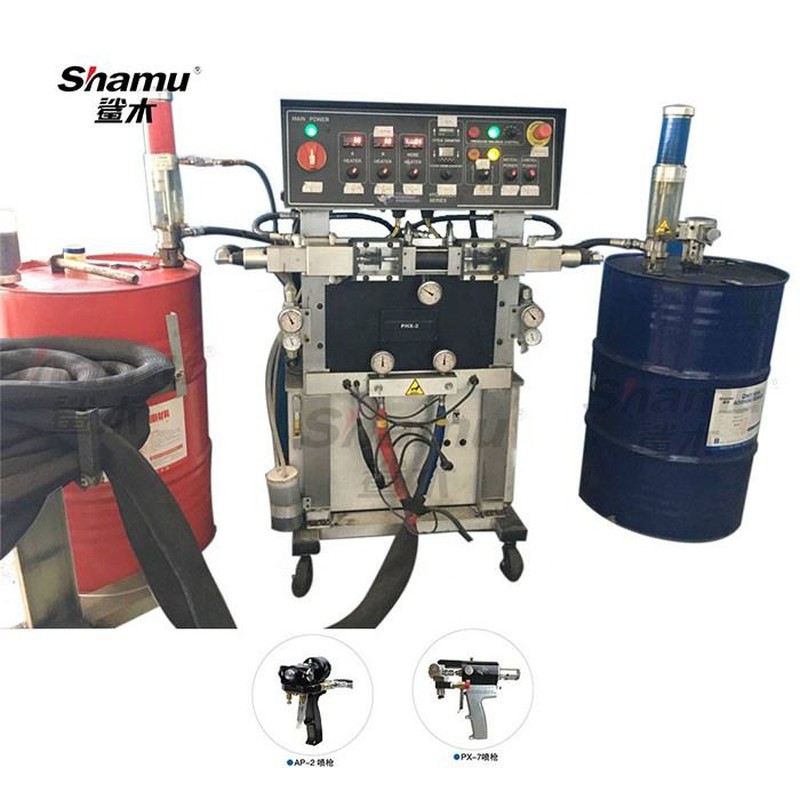
It does the job of spraying the two-component polyurea raw material in liquid form by mixing it with a certain temperature and pressure. polyurea, which is mixed and sprayed under certain heat and pressure, quickly adheres to the surface on which it is applied, swells and reaches the final foam form. It can be said that the obtained polyurea foam is the highest point reached in the world in thermal insulation.
It would be more accurate to define polyurea spraying machines as a machine set. Because this set consists of a high pressure spray foam machine, an air source compressor, two transfer pumps used to transfer the raw material from the barrels, a heated hose specially designed to maintain the temperature of the heated raw material, and a spray gun, which is the point where the mixture is made.
As a working principle, machine to spray foam insulation function as a part of the set. First, the raw materials are transferred to the polyurea spraying machines by means of 2 separate pumps, the spray foam machine preheaters and the hydraulic pump ensure that the raw materials reach the appropriate consistency in terms of required heat and pressure.
Then, the liquid polyurea raw material, which has reached the required temperature, is delivered to the gun in high pressure through the specially designed heated hose. In this whole process, the two components of the polyurea are processed without mixing with each other. In the polyurea gun, which is the last point of the process, these two components are mixed and sprayed under high pressure.
Finally, it should be noted that a compressor with the required power for the operation of the transfer pumps and the cleaning of the spray gun at the moment the spraying stops is a part of the set.
Understanding Polyurea Spraying Equipment
Effective polyurea spraying play a pivotal role in the success of any operation. Quality equipment, when installed correctly, is the cornerstone of profitability.
Every component of a spray system is interconnected, impacting both profits and reputation. Some rig builders may compromise on component size to offer lower prices, but this often leads to suboptimal performance and costly repairs.
● Choosing the Right Reactor for the Job
The reactor, or proportioner, is the heart of the operation, heating, pressurizing, and dispensing materials to produce spray foam or coatings. Different reactor models offer various features such as larger preheaters, longer hose capabilities, and different output abilities. It's crucial to select a reactor package tailored to the specific applications and volume requirements of the project.
Investing in a reactor that can handle both low and high-volume productions is wise, but it's essential to strike a balance to avoid overspending. Custom-built rigs are tailored to the selected reactor, making upgrades challenging without purchasing a new rig entirely.
● Choosing the Right Compressor
Selecting the proper compressor for the spray rig is essential for efficient operation. The compressor supplies air to various components, including pneumatic transfer pumps, spray guns, and mixers. Undersized compressors can lead to inadequate material supply, improper mixing, and equipment failure, resulting in reduced yield and profitability.
Refrigerated air dryers are crucial for removing moisture from the compressed air, protecting equipment and ensuring consistent performance. Coalescent filters are necessary for screw compressors to prevent oil contamination.
● Selecting the Right Generator
Polyurea spraying rigs require significant power to operate all components effectively. Generators must meet the power demands of reactors, compressors, heaters, and auxiliary tools. Diesel generators are recommended for their efficiency and reliability, especially compared to gas generators prone to overheating and failure under high load demands.
Proper ventilation and exhaust are essential for generator safety and longevity. Failure to ventilate and exhaust correctly can lead to overheating, carbon monoxide poisoning, and equipment damage.
● Choosing the Right Trailer
The trailer serves as the foundation and protection for the entire system, so it must be robust and well-designed. Axles should be appropriately sized to handle the daily loads, and the trailer should be balanced to prevent tire wear and dangerous swaying during towing. It's essential to select the right door configuration for loading and ensure proper ventilation and structure to support the equipment's weight.
● The Equation for Success
Functional equipment, high production yields, and quality products are the key ingredients for profitability and a positive reputation. Investing in quality equipment and proper installation yields significant returns on investment.
● Considerations Before Buying a Rig
Before purchasing a rig, consider factors such as spraying frequency, application types, and environmental conditions. Aligning the budget with business goals is essential for making a successful investment.
What Are Polyurea Spray Coatings
A closed cellular application, polyurea spray coating is a synthetic polymer that is both hard wearing and robust. Its closed cell structure means that it resists the absorption of fluids, and protects against heat and expansion. This makes a polyurea spray coating a versatile product in any manufacturing or industrial environment in which durability, sealing and stabilization, and insulation offer the end user great long term savings. In trucking and transportation applications, these coatings offer the benefits of seeing greater durability against the elements and extreme weather conditions. Farming and agriculture machinery and maritime products benefit from the robust outer layer that polyurea spray coatings offer.
Benefits of polyurea coatings include:
● Flexibility in Extreme Temperatures and Weather: Polyurea coatings will not soften in heat or become brittle in cold, allowing them to provide durable and versatile use in many applications. They can withstand temperature extremes from -80°F to 280°F.
● Waterproof Barrier: As a seamless and waterproof barrier, polyurea coatings help protect against corrosion, rust, mold, and more.
● Extreme Durability & Performance: Polyurea applications can provide superior durability and protection, shielding against damage in high wear areas, preventing dents and scratches, resisting chipping and peeling, protecting against chemical damage and corrosion.
● Variety in Application: With many different coatings available, polyurea coatings can be applied and a variety of color and performance options.
Benefits of Using Polyurea in the Agriculture Industry
Polyurea is an excellent cost-effective solution to protect agricultural equipment as well as food processing facilities and trucks from contamination. Here are some of the advantages of using polyurea protective coatings in the agriculture industry.
It's Extremely Durable
Polyurea is one of the most durable, flexible, and resilient protective coatings on the market. Due to its polymer attributes, polyurea is also highly waterproof, abrasion-resistant, and chemical-resistant. It will not chip or crack from high power pressure washing techniques or exposure to strong sanitization chemicals. Other coatings will chip or crack after consistent exposure to these cleaning techniques which can allow microbes to get into the cracks and multiply.
With a polyurea coating you avoid this. Polyurea's strong anti-bacterial properties ensure that all health and safety codes in food processing plants can easily be met.
It Insulates Against Hot and Cold Temperature Fluctuations
Aside from adhering to stringent sanitation regulations, another major challenge for the food and beverage industry is storing products at the appropriate temperature at all times. Certain products needs to be stored at specific temperatures to maintain freshness, prevent them from spoiling in transition, and extend their shelf life.
Some products like meat require frozen temperatures, beverages require cold temperatures, while other products like some tropical fruit should be stored at moderate to warm temperatures. Polyurea can withstand a wide range of temperatures and is not susceptible to thermal shock. Polyurea can protect food processing facilities, equipment, tanks, and transportation vehicles regardless of the temperature or how it fluctuates.
It's Environmentally Friendly
Pure polyureas are 100% solids with no solvents or VOCs. They are environmentally friendly coatings with no smell our outgassing during installation.
Quick Return to Service
Polyurea is applied by certified installers with a special plural component, high pressure and temperature system, via spray gun. As it gels within six seconds, it can be applied with relatively unlimited application thickness in one pass. You are able to return the area to service within 24 hours or less.
Different Applications for Polyurea in Food-Grade Coating
Polyurea protective coatings can help save the food industry a lot of time and money, and they require very minimal maintenance and effort in return. Here are some of the food industry applications for polyurea coatings.
Floors
Floor protection is one of the most common applications for polyurea protective coatings. That's because polyurea provides a safe, clean, waterproof, abrasion resistant and chemically resistant surface to walk on. It also cures within a matter of seconds, which prevents long shutdowns and ensures operations can resume very quickly.
Freezers
Polyurea protective coatings prevent cold air loss that can lead to food spoilage and increase energy consumption or operating costs for food processing plants. They can also withstand extremely cold temperatures without cracking.
Food Processing Equipment
It's not just the food processing and storage infrastructure that needs protection from contamination—equipment is also a major risk. Food-grade polyurea protective coatings can be used to prevent cross-contamination amongst equipment that's used to handle more than one type of product as it is easy to clean. These coatings will also protect equipment like feed troughs on farms from wear and tear.
Silos
Silos are structures that are used for storing bulk materials. In the agriculture industry, these can include grain varieties, fermented animal feed, coal products, cement, woodchips, sawdust, and other items. The products stored in these facilities are known as silage. To prevent these products from spoiling or being exposed to potential contaminants, the interior and exterior of silos should be sprayed with a strong polyurea protective coating.
Polyurea applications combine remarkable technology with a range of uses limited only by your imagination. In fact, even though the list below is large, it still doesn't cover everything. As with any coating system, proper surface preparation, correct application equipment, techniques, and the use of compatible primers are required for success.
1. Aquarium Lining
Aquariums have found major benefits with polyurea linings. The ability to form to properly prepared, custom-shaped walls and themed ornaments make this system very desirable. A spray-applied, water-resistant liner, available in a variety of colors with rapid return-to-service installation is why aquarium facility owners are turning to Polyurea.
2. Architectural Design
Polyurea has much the same uses in architectural design as it does in theme park applications. Polyurea is used as a protective coating over foam, EPS and other structures to create ornamental building fascia, themed characters, artificial rocks, pools and environments. Furthermore, set designers and theater stage designers have found many uses for polyurea as well.
3. Automotive Fascia OEM Molded Parts
Polyurea can be spray, open-pour, or reaction-injected into molds. Consequently, automotive fascia parts molded from polyurea RIM systems are beginning to become standard. Additionally, many spray-in-mold uses are becoming popular in replacing parts commonly made from fiberglass. Water park chutes, plaques, automotive aftermarket fascia and spoilers, architectural decorative molding, and more.
4. Bridge Coating
Polyurea's ability to fight off corrosion and outlast paint is a major reason these systems are being specified for bridge deck and structure coating by State DOTs around the nation. The most common applications of polyurea coatings on bridges are over steel and concrete.
5. Flooring and Parking Decks
Polyurea flooring systems are most popular for their rapid turnaround installation capabilities. Other benefits are available with polyurea flooring systems as well. Polyureas are very durable and great for use in areas of high traffic. Clean/dirty rooms use them as a waterproofing and protective coating for daily pressure cleaning operations. Manufacturers formulate some polyureas to be flexible and resilient, which allows the flooring system to protect objects that may fall upon them.
6. Fuel Storage & Containment
Polyurea is resistant to many fuels and chemicals. Fuel pits and pipeline secondary containment applications commonly use polyurea. However, some chemicals will damage polyurea. Always perform the necessary compatibility tests and surface preparation.
7. Joint Fill / Caulk
Polyurea is a multi-purpose joint fill, caulking and sealant material. It provides a flexible, durable, weather-tight and traffic resistant seal for all types of building joints, such as expansion joints and control joints in masonry floors, perimeter joints, panels and doors, water reservoirs, etc. Additionally, It has excellent crack-bridging properties with high elongation and tensile strength. The fast cure time and insensitivity to moisture allows for a quicker installation with a wider application window. Proper surface preparation and substrate condition is always necessary.
8. Landscape & Water Containment
Landscape designers and contractors have found similar benefits with polyurea. Many projects use polyurea to contain water for ponds and pool decorations to form a primary containment liner. Use of geo-textile material is common when applying polyurea over dirt. Proper surface condition is vital when applying over concrete and most other substrates.
9. Line Striping
Polyurea is ideal for use in line striping and pavement marking. It cures quickly (nearly instantly). Thus, it often returns areas to service for traffic and pedestrian use only a few minutes after application, depending on the formulation.
10. Manhole & Sewer Linings
Polyurea manhole lining is a rapidly growing market. This is due to polyurea's ability to solve many current issues with groundwater infiltration and installation speed. Many municipal and private water systems are in great need of lining and structural repair. With proper surface preparation and substrate conditions, primers and Polyurea applies quickly. This returns the cavity to service faster than most competitive systems. Polyurea's ability to form a monolithic, durable liner protects the cavity from sediment. Similarly, it blocks groundwater infiltration into municipal wastewater systems.
11. Marine
Above the water line and below, Polyurea can be very effective in protecting steel, aluminum, and fiberglass in a variety of water sport and commercial marine applications. From sound attenuation for fishing canoes, to fish hold liners, to hull protection and bilge liners, polyureas excel in many abrasion, chemical and corrosion resistant marine applications.
12. Pipe / Pipeline Coatings & Linings
Steel/metal pipes and pipelines increasingly use polyurea to protect from corrosion. Polyurea technology outperforms paint in nearly every measurable way. Therefore, facility owners enjoy reduced maintenance services and costs. Polyurea is a great protective coating system for pipes that are insulated with polyurethane foam. Many projects use polyurea to line the inside of water and sewer pipes for infrastructure rehabilitation work.
13. Railcar Lining & Track Containment
Liquid containment railcars use polyurea for its waterproofing and chemical resistance benefits. Hopper-style rail cars benefit from the strength of polyurea and its ability to resist abrasion. These cars often carry coal, sand, and other abrasive materials. Polyurea applies quickly and will last longer than many other conventional systems if properly applied.
14. Roof Coating
Polyurea coatings make an excellent protective covering for polyurethane foam roofs. Some manufacturers formulate their polyureas to meet specific performance requirements. There are systems which have the "Cool Roof" rating for color and reflectivity. These reflective coatings can help reduce the amount energy consumption buildings use for heating and cooling. The fast cure time and insensitivity to moisture allows for a quicker installation with a wider application window. Proper surface preparation and substrate condition is always necessary.
15. Spray Molding
The use of Polyureas for spray in mold processes are gaining momentum with the advent of low output spray guns. Polyureas have very fast reaction times and are meter mixed and dispensed through plural component equipment. These materials are dry to the touch within seconds after application reducing de-molding time dramatically. Physical properties of these materials can be altered by the system formulator to meet application requirements.
16. Tank Coatings
Polyurea coatings protect steel tanks from corrosion, chemicals, and other natural weather and jobsite elements. With proper surface preparation, substrate condition, formulation choice, primers, and installation procedures, Polyurea goes on fast and stays on long. Polyureas are great for extending the life of older tanks and can offer limited structural characteristics as well. Some tank manufacturers apply polyurea during primary construction. However, often tank owners ask contractors to apply polyurea in a retrofit environment. Polyurea minimizes downtime compared to most materials with its rapid cure time, making it ideal for retrofit.
17. Tank Linings
Polyurea linings are resistant to many chemicals and industrial liquids. With their fast application advantages and ability to adhere to properly prepared substrates, polyureas are ideal for new storage tank primary lining and rehabilitation projects.
18. Theme Park & Decorative Design
Theme Parks often use polyurea as a protective coating over foam, EPS and other structures to create ornamental building fascia, themed characters, artificial rocks, pools and environments.
19. Truck Bed Liners
Polyurea truck bed liners form durable, water and air-tight, permanent liner for the exterior of pick up trucks, dump trucks and steel containers. These durable, easy to clean and abrasion resistant liners protect utility trucks from their harsh duty environments. They also protect against rust and corrosion from damaging trucks and containers. Installers apply in varied thickness to meet any specific application demand. Sprayed on truck bed liners come in many colors and wrap over the top edge of the truck bed, providing added protection from impact and abrasion.
20. Wastewater Treatment Linings
Fast cure, chemical and abrasion resistant, concrete primary and secondary containment linings. Above all, polyurea outperforms traditional coatings in wastewater treatment plants. It's easy to apply, and quick to reach full cure. Finally, some formulations resist UV light used to kill bacteria.
21. Water Parks & Playgrounds
Molded slides, protective coating of seats for wet/dry amusement rides, tank linings, water containment, aquariums, and concrete stadium seats are just a few of the many applications polyureas are commonly used for in the amusement and theme park industry. Polyurea's usage is rapidly growing in applications to replace paint and fiberglass due its fast cure and ability to reduce maintenance cycles.
Our Factory
Qingdao Shamu Advanced Material Co., Ltd. the most professional pure polyurea supplier in China, respects science and takes honesty and faith as the foundation of the career. Our company since its inception always gives top priority to product quality, and has developed series pure polyurea products with the latest technology and high quality, and has inaugurated the sample project, model project and monumental project of pure polyurea,which makes you project long-term undertaking with monumental merits that benefit the future!


Our Certificate


