

As a seasoned supplier of polyurea equipment, I've witnessed firsthand the transformative impact of this technology across various industries. Polyurea is a remarkable material known for its exceptional durability, flexibility, and resistance to abrasion, chemicals, and weathering. The key to unlocking its full potential lies in the quality and functionality of the equipment used for its application. In this blog post, I'll delve into the essential components of polyurea equipment, shedding light on their roles and importance in achieving optimal results.
1. Proportioning Unit
The proportioning unit is the heart of any polyurea equipment system. Its primary function is to precisely measure and mix the two main components of polyurea: the isocyanate (Part A) and the resin blend (Part B). These components must be combined in the correct ratio to ensure the proper chemical reaction and the formation of a high - quality polyurea coating.
Accurate proportioning is crucial because even a slight deviation from the recommended ratio can lead to issues such as incomplete curing, reduced mechanical properties, and poor adhesion. Modern proportioning units are equipped with advanced technology, such as positive displacement pumps and electronic controls, to ensure consistent and precise mixing. Some units also offer the flexibility to adjust the ratio based on specific project requirements. For more information on high - performance polyurea that can be applied using well - proportioned equipment, you can visit High Performance Anticorrosive and Wear Resistant Polyurea.
2. Heaters
Polyurea components have specific temperature requirements for optimal application. Heaters are used to maintain the temperature of both Part A and Part B within the recommended range. Heating the components reduces their viscosity, making them easier to pump and mix. It also ensures that the chemical reaction between the two components occurs at the right rate, resulting in a smooth and uniform coating.
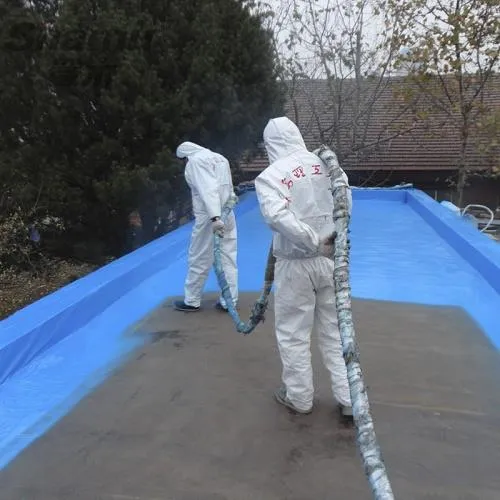

There are different types of heaters used in polyurea equipment, including band heaters, immersion heaters, and circulation heaters. Band heaters are typically wrapped around the hoses or containers to provide external heating, while immersion heaters are placed directly inside the material to heat it from within. Circulation heaters are used to heat the material as it flows through the system. Maintaining the correct temperature is essential for achieving a high - quality polyurea finish, especially in cold environments.
3. Pumps
Pumps play a vital role in transporting the polyurea components from their storage containers to the proportioning unit and then to the spray gun. There are two main types of pumps used in polyurea equipment: hydraulic pumps and pneumatic pumps.
Hydraulic pumps are known for their high pressure and flow rate capabilities. They are often used in large - scale industrial applications where a large volume of polyurea needs to be applied quickly. Pneumatic pumps, on the other hand, are more suitable for smaller projects and applications where portability and ease of use are important. They are powered by compressed air and are generally more lightweight and easier to operate. The choice of pump depends on the specific requirements of the project, such as the size of the area to be coated, the thickness of the coating, and the desired application speed.
4. Hoses
Hoses are used to connect the various components of the polyurea equipment system, including the pumps, proportioning unit, and spray gun. They must be able to withstand high pressure and temperature, as well as the chemical properties of the polyurea components.
High - quality hoses are typically made of materials such as reinforced rubber or thermoplastic. They are designed to be flexible and durable, allowing for easy maneuverability during the application process. It's important to choose hoses with the appropriate diameter and length to ensure proper flow and pressure throughout the system. Additionally, hoses should be regularly inspected for signs of wear and tear to prevent leaks and ensure safe operation.
5. Spray Gun
The spray gun is the final component in the polyurea equipment system and is responsible for applying the mixed polyurea onto the surface. There are different types of spray guns available, each with its own features and benefits.
Airless spray guns are commonly used for polyurea application because they can deliver a high - pressure, fine - mist spray, resulting in a smooth and even coating. They are suitable for both large - scale and small - scale projects. Some spray guns also offer adjustable spray patterns, allowing the operator to customize the application based on the shape and size of the surface. The quality of the spray gun can significantly impact the final appearance and performance of the polyurea coating. For more details on polyurea coating spraying equipment, you can visit Polyurea Coating Spraying Equipment.
6. Filters
Filters are an important but often overlooked component of polyurea equipment. They are used to remove any contaminants, such as dirt, debris, or gel particles, from the polyurea components before they are mixed and applied. Contaminants can cause blockages in the pumps, hoses, and spray gun, leading to inconsistent application and poor coating quality.
There are different types of filters available, including inline filters and suction filters. Inline filters are installed in the hoses or pipes to filter the material as it flows through the system, while suction filters are placed at the inlet of the pumps to prevent contaminants from entering the pump. Regularly replacing the filters is essential to ensure the smooth operation of the equipment and the quality of the polyurea coating.
7. Control Panel
The control panel is the interface through which the operator can monitor and adjust the various functions of the polyurea equipment. It provides real - time information on parameters such as temperature, pressure, and flow rate. The control panel also allows the operator to start and stop the equipment, adjust the proportioning ratio, and control the heaters and pumps.
Modern control panels are often equipped with digital displays and user - friendly interfaces, making it easy for operators to set and monitor the equipment settings. Some control panels also offer advanced features, such as data logging and remote monitoring, which can be useful for troubleshooting and quality control.
8. Material Containers
Material containers are used to store the polyurea components (Part A and Part B) before they are pumped into the system. They must be made of a material that is compatible with the polyurea components and can withstand the pressure and temperature requirements of the storage environment.
Common types of material containers include drums, totes, and tanks. Drums are typically used for smaller projects or for storing limited quantities of polyurea components. Totes and tanks are larger and are suitable for large - scale projects or for continuous production. It's important to ensure that the material containers are properly sealed and labeled to prevent contamination and ensure safe handling.
In conclusion, each component of polyurea equipment plays a crucial role in the successful application of polyurea coatings. From the precise proportioning unit to the final spray gun, every part must work together seamlessly to achieve the desired results. Whether you're working on a small - scale waterproofing project or a large - scale industrial corrosion protection application, having high - quality polyurea equipment is essential.
If you're in the market for polyurea equipment or need more information about our products, we're here to help. Our team of experts can provide you with personalized advice and solutions based on your specific project requirements. Whether you're interested in High Performance Anticorrosive and Wear Resistant Polyurea, Polyurea Material for Waterproofing and Reinforcement of Building Surface, or Polyurea Coating Spraying Equipment, we have the knowledge and experience to assist you. Contact us today to start a discussion about your polyurea equipment needs.
References
- "Polyurea Coatings: Technology, Applications, and Markets" by various industry experts
- Manufacturer's manuals and technical documents for polyurea equipment components


