

Hey there! I'm a supplier of Anti Corrosion Polyurea, and today I wanna have a chat about the not - so - great aspects of this stuff. Yeah, I know it sounds a bit odd for a supplier to talk about the disadvantages, but I believe in being upfront and honest with you. That way, you can make an informed decision when it comes to your projects.
1. High Initial Cost
One of the biggest drawbacks of Anti Corrosion Polyurea is its high initial cost. Compared to some other anti - corrosion coatings out there, polyurea can be quite pricey. The raw materials used in its production are expensive, and the manufacturing process also requires a certain level of expertise and specialized equipment.
For small - scale projects, the cost can be a real deal - breaker. You might be thinking, "Why should I shell out so much money when there are cheaper alternatives available?" Well, it's true that there are other coatings that cost less, but they might not offer the same level of performance as polyurea in the long run. But for those on a tight budget, the high upfront cost can make it difficult to choose polyurea.
2. Strict Application Requirements
Applying Anti Corrosion Polyurea isn't a walk in the park. It has some really strict application requirements. First off, the surface preparation needs to be top - notch. Any dirt, grease, or rust on the surface can significantly affect the adhesion of the polyurea. So, you have to spend a lot of time and effort on cleaning and prepping the surface.
The application also needs to be done in a very specific environment. The temperature and humidity levels have to be just right. If it's too cold, the polyurea might not cure properly. If it's too humid, it can lead to all sorts of problems like bubbles or poor adhesion. This means that you might have to wait for the perfect weather conditions to apply the polyurea, which can cause delays in your project.
3. Limited Color Options
When it comes to color choices, Anti Corrosion Polyurea is a bit limited. Most of the time, you're stuck with the standard colors that the manufacturers offer. If you have a specific color in mind for your project, chances are you won't be able to find a polyurea coating that matches it.
This can be a problem, especially for projects where aesthetics matter. For example, if you're coating a building facade and you want it to blend in with the surrounding environment or match a certain color scheme, the limited color options of polyurea can be a real bummer.
4. Potential Health Risks
Working with Anti Corrosion Polyurea can pose some potential health risks. The chemicals used in polyurea can be harmful if inhaled or come into contact with the skin. During the application process, there are fumes and mist that can be released into the air. If proper safety measures aren't taken, workers can be exposed to these harmful substances.

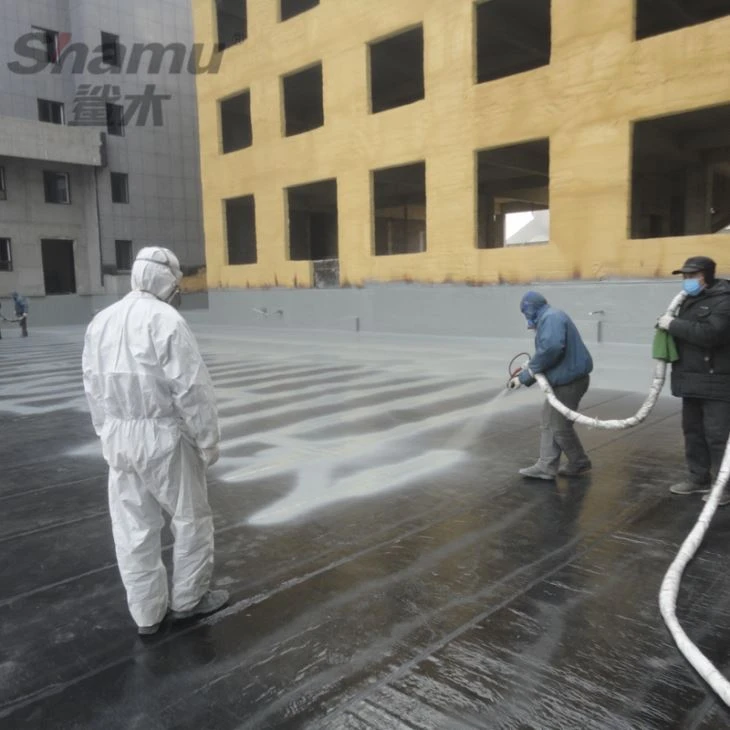
This means that you have to invest in proper safety equipment like respirators, gloves, and protective clothing. And the workers also need to be trained on how to handle the polyurea safely. All of this adds to the overall cost and complexity of using polyurea.
5. Difficult to Repair
Once the Anti Corrosion Polyurea is applied and cured, it can be quite difficult to repair. If there's any damage to the coating, like a scratch or a chip, it's not as simple as just applying a new layer of paint.
The repair process usually requires specialized equipment and skills. You have to carefully sand the damaged area, clean it, and then apply a new layer of polyurea. And getting the repair to blend in seamlessly with the existing coating can be a real challenge. This can be a major headache, especially if you have a large - scale project where there's a higher chance of damage occurring.
6. Compatibility Issues
Anti Corrosion Polyurea might not be compatible with all types of substrates. Some materials might react with the polyurea, leading to poor adhesion or other problems. For example, if you try to apply polyurea on a surface that has a lot of oil or wax on it, the polyurea might not stick properly.
Before applying polyurea, you have to do a compatibility test to make sure that it will work well with the substrate. This adds an extra step to the process and can also cause delays if the test shows that the polyurea isn't compatible.
7. Short Pot Life
The pot life of Anti Corrosion Polyurea is relatively short. Once you mix the components together, you have a limited amount of time to apply it before it starts to cure. This means that you have to work quickly and efficiently during the application process.
If you're working on a large - scale project, it can be difficult to apply the polyurea within the pot life. You might have to mix smaller batches at a time, which can be time - consuming and increase the chances of inconsistencies in the coating.
Conclusion
So, there you have it - the disadvantages of Anti Corrosion Polyurea. But don't let these drawbacks scare you off completely. Despite these issues, polyurea still has a lot of great qualities. It offers excellent corrosion resistance, durability, and a long service life.
If you're considering using Anti Corrosion Polyurea for your project, it's important to weigh the pros and cons carefully. And if you have any questions or need more information, don't hesitate to reach out. We're here to help you make the best decision for your project. Whether you're dealing with a small - scale DIY project or a large industrial application, we can provide you with the right advice and products. So, feel free to contact us to discuss your specific needs and start a procurement conversation.
References
- "Polyurea Coatings - Technology, Applications, and Market Trends" by some industry experts.
- Research papers on the properties and applications of Aliphatic Polyurea and its related compounds.


