

Can Aliphatic Polyurea Be Applied on Wet Surfaces?
As a supplier of Aliphatic Polyurea, I often encounter inquiries from customers about the application conditions of our products, especially the question of whether aliphatic polyurea can be applied on wet surfaces. This is a crucial topic as it can significantly impact the efficiency and effectiveness of various projects. In this blog, I will delve into the scientific aspects of this issue and provide a comprehensive answer.
Understanding Aliphatic Polyurea
Before discussing its application on wet surfaces, let's first understand what aliphatic polyurea is. Aliphatic Polyurea is a high - performance polymer coating known for its excellent durability, chemical resistance, and UV stability. It is formed through the reaction of an isocyanate component and a resin blend component. This reaction is extremely fast, which gives polyurea its unique properties such as rapid curing and high - strength film formation.
The chemical structure of aliphatic polyurea makes it different from other types of polyurea. The aliphatic chains in its structure provide better weatherability and color stability compared to aromatic polyurea. This makes it an ideal choice for applications where long - term aesthetic appearance is important, such as in architectural coatings, automotive refinishing, and marine applications.
The Challenge of Wet Surfaces
When it comes to applying coatings on wet surfaces, there are several challenges. Water on the surface can act as a barrier between the coating and the substrate, preventing proper adhesion. It can also react with the coating components, leading to incomplete curing, blistering, or reduced mechanical properties of the cured film.
In the case of polyurea, water can react with the isocyanate component in the polyurea formulation. The reaction between water and isocyanate produces carbon dioxide gas. This gas can cause bubbles to form in the coating, resulting in a porous and weak film. Additionally, the presence of water can interfere with the cross - linking reaction between the isocyanate and the resin blend, leading to a less - than - optimal cure and reduced performance of the polyurea coating.
Can Aliphatic Polyurea Be Applied on Wet Surfaces?
The short answer is that it is generally not recommended to apply aliphatic polyurea on wet surfaces. However, recent advancements in polyurea technology have led to the development of some special formulations that can tolerate a certain level of surface moisture.
Some modern aliphatic polyurea products are designed with moisture - tolerant additives. These additives can help to mitigate the negative effects of water on the polyurea reaction. They can either react with the water before it has a chance to react with the isocyanate or prevent the formation of carbon dioxide bubbles. For example, certain moisture - scavenging agents can be added to the polyurea formulation. These agents react with water preferentially, consuming the water and preventing it from interfering with the polyurea curing process.
However, it's important to note that there are limits to the moisture tolerance of these formulations. Even with moisture - tolerant additives, there is still a maximum allowable moisture content on the surface. Exceeding this limit can still lead to coating defects.
To determine whether a particular aliphatic polyurea product can be applied on a wet surface, it is essential to refer to the product's technical data sheet. The technical data sheet will provide information on the maximum allowable surface moisture content, as well as any special application requirements.
Factors Affecting the Application on Wet Surfaces
Several factors can affect whether aliphatic polyurea can be successfully applied on a wet surface:
- Surface Moisture Content: As mentioned earlier, the amount of water on the surface is a critical factor. A small amount of surface moisture may be tolerable with a moisture - tolerant polyurea formulation, but a wet or saturated surface is likely to cause problems.
- Temperature and Humidity: The temperature and humidity of the environment during application also play a role. Higher humidity can increase the moisture content on the surface and in the air, making it more difficult to apply polyurea. Lower temperatures can slow down the polyurea curing reaction, which may exacerbate the negative effects of water.
- Substrate Type: Different substrates have different water absorption and release characteristics. For example, porous substrates such as concrete can hold more water than non - porous substrates like metal. This means that more care needs to be taken when applying polyurea on porous substrates, even if they appear to be only slightly damp.
Applications of Aliphatic Polyurea on Wet - Tolerant Scenarios
Despite the challenges, there are some scenarios where applying aliphatic polyurea on slightly wet surfaces can be beneficial. One such application is in the Anti Corrosion Polyurea field. In some industrial settings, it may be difficult to completely dry large metal structures before coating. A moisture - tolerant aliphatic polyurea can be used to provide corrosion protection in these situations, saving time and reducing the risk of corrosion during the drying process.
In marine applications, where it is almost impossible to keep the hull or other structures completely dry, a moisture - tolerant polyurea can be a viable option. It can quickly form a protective barrier on the wet surface, preventing water and salt from corroding the substrate.
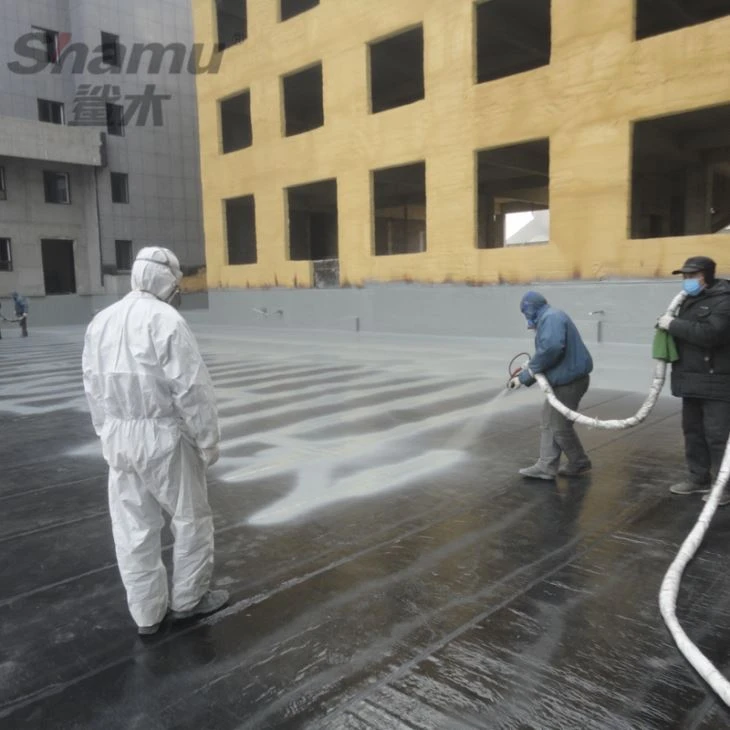

Best Practices for Application
If you need to apply aliphatic polyurea on a surface with some moisture, here are some best practices:
- Surface Preparation: Even if the polyurea is moisture - tolerant, proper surface preparation is still essential. Remove any loose debris, rust, or other contaminants from the surface. Use a suitable cleaner to degrease the surface if necessary.
- Test the Surface Moisture: Use a moisture meter to determine the moisture content of the surface. Make sure it is within the allowable range specified by the polyurea product.
- Follow the Manufacturer's Instructions: Always follow the application instructions provided by the polyurea manufacturer. This includes the recommended application temperature, humidity, and mixing ratios.
- Apply in Layers: Applying the polyurea in multiple thin layers can help to reduce the risk of blistering. Each layer should be allowed to cure properly before applying the next one.
Conclusion
In conclusion, while it is generally not advisable to apply aliphatic polyurea on wet surfaces, some moisture - tolerant formulations can be used under certain conditions. As a supplier of aliphatic polyurea, we are committed to providing our customers with high - quality products and technical support. If you are considering using aliphatic polyurea for your project and have questions about its application on wet surfaces, please do not hesitate to contact us for more information. We can help you select the right product for your specific needs and provide guidance on proper application techniques. Whether you are working on an anti - corrosion project or an architectural coating job, our team of experts is here to assist you. Let's discuss your project requirements and find the best polyurea solution together.
References
- ASTM International. (Year). Standard test methods for coating materials. ASTM Publications.
- Polyurea Development Association. (Year). Technical guidelines for polyurea application. PDA Publications.
- Manufacturer's technical data sheets for aliphatic polyurea products.


